Every year between June and September, thousands of humpback whales migrate from Antarctica to the warm waters off the coast of Manabí to breed and raise their calves. If you're staying in Ayampe, one of the Pacific's great natural spectacles happens practically at your doorstep.
When is whale season in Ecuador?
The official season runs from early June to late September. July and August usually bring the most activity: full breaches, fin slaps, and mothers with calves swimming close to the boats. If your travel dates are flexible, aim for those weeks.
Tours leave from Puerto López, 20 minutes away
Almost all boats depart from the malecón of Puerto López, a fishing town just 17 km north of Ayampe (about 20 minutes along the Ruta del Spondylus). Local operators work with certified guides and boats authorized by Machalilla National Park, which regulates viewing distances to protect the animals.
Many tours combine whale watching with a visit to Isla de la Plata — nicknamed the "poor man's Galápagos": blue-footed boobies, frigatebirds and clifftop trails over the ocean, all in one full-day trip.
What the experience is like
Boats usually head out in the morning, when the sea is calmest. Watching a 30-ton animal hang in the air a few meters from your boat is the kind of thing you don't forget — and it's perfectly family-friendly.
Practical tips
- Book ahead in July and August, especially on weekends and holidays.
- Bring sunscreen, a hat, your camera and a light rain jacket — the wind out at sea is deceiving.
- Prone to seasickness? Take a pill 30–60 minutes before departure.
- Choose authorized operators who respect the park's viewing distances.
Where to stay for whale season
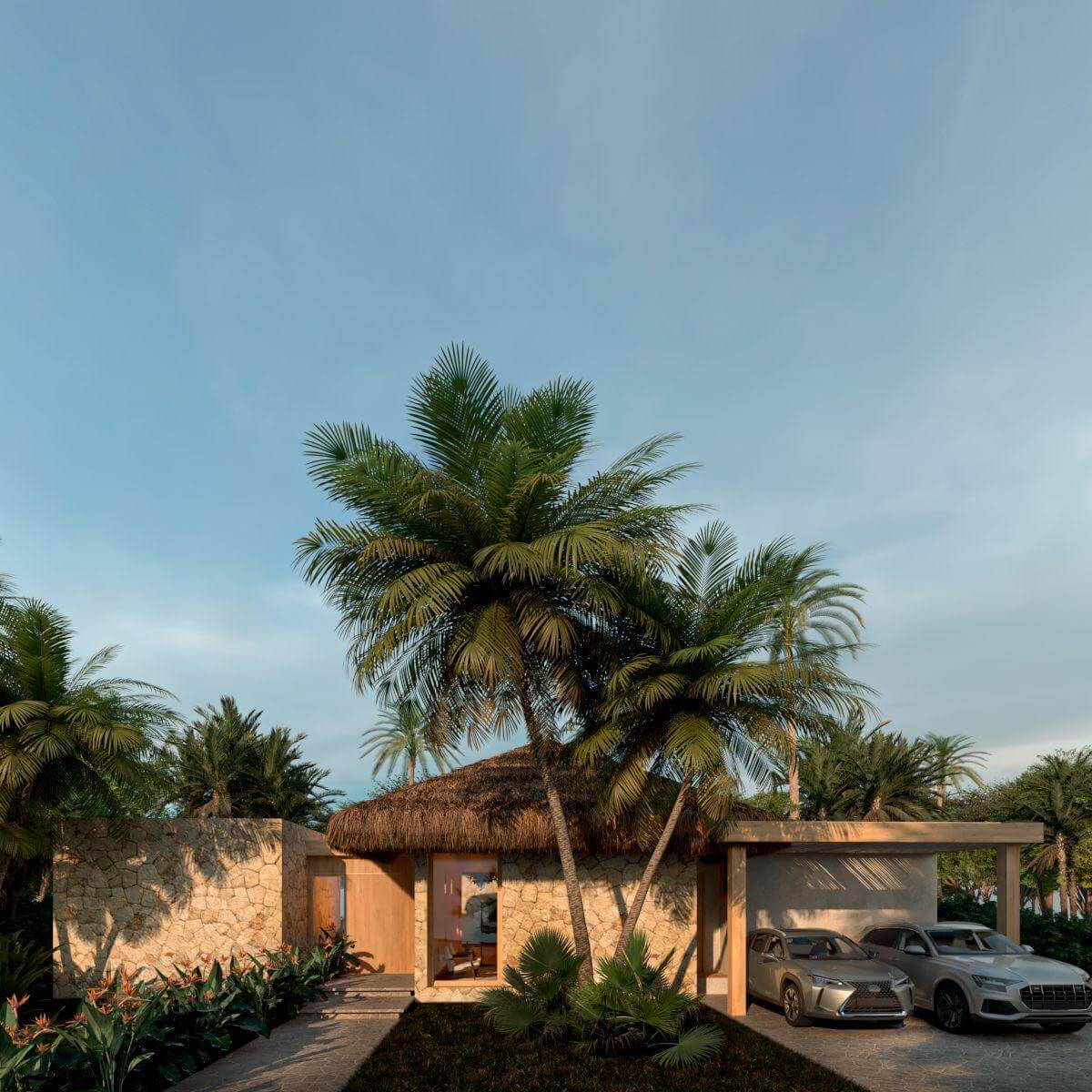
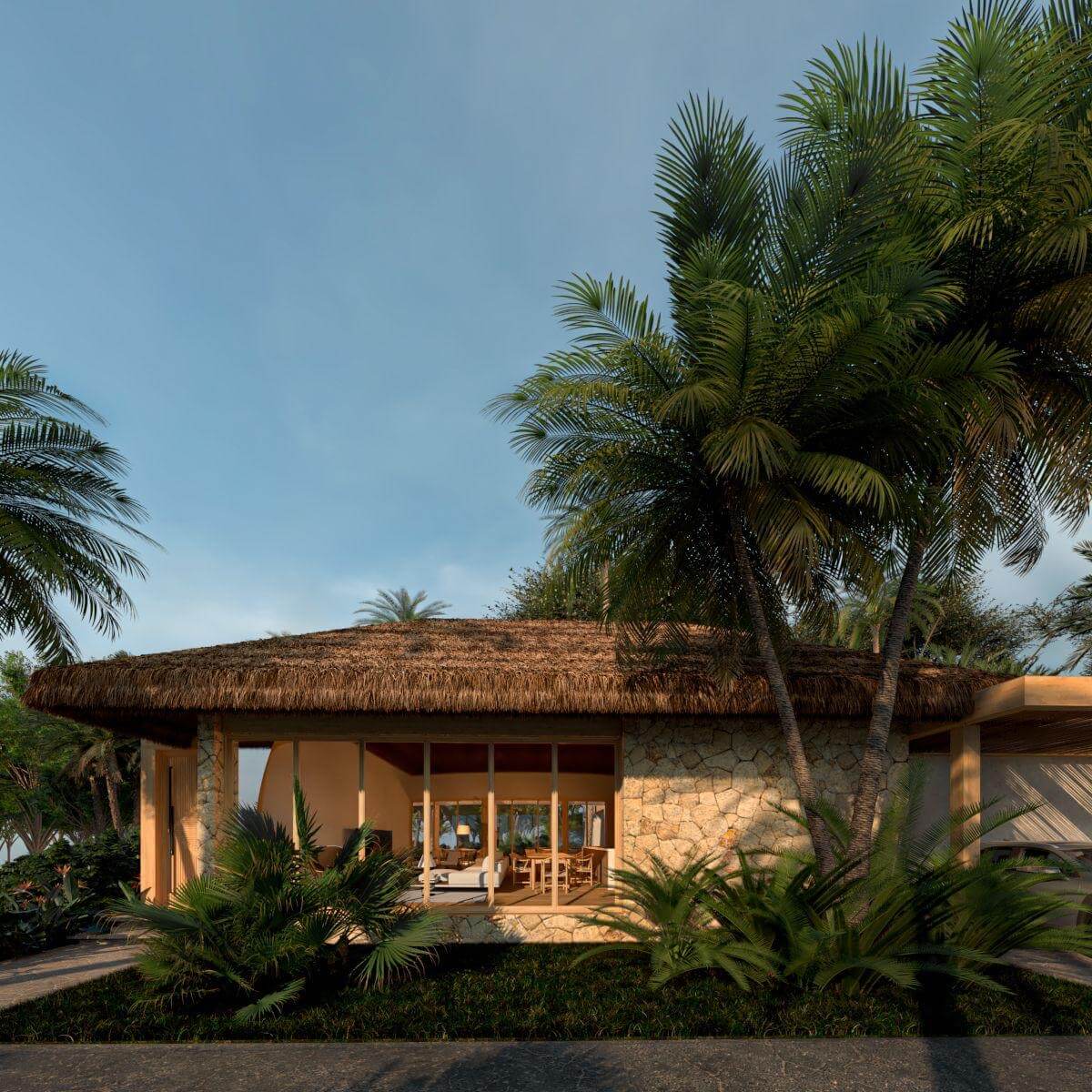
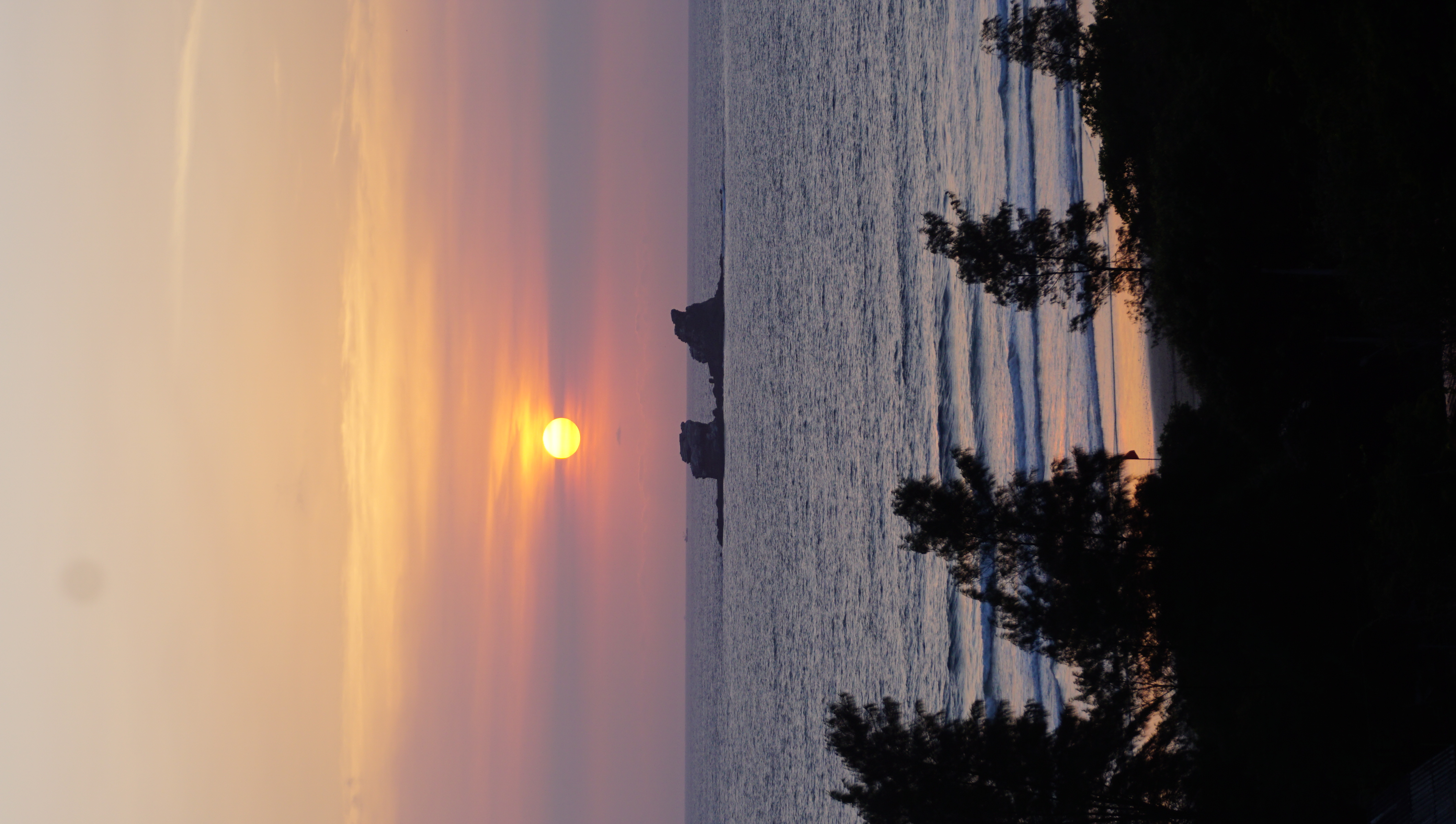
Ayampe is the ideal base: quieter than Puerto López or Montañita, with the beach steps away and the tour docks 20 minutes up the road. During the season it's even common to spot whales from the shore at sunset.